Encouraging Education & School Engagement
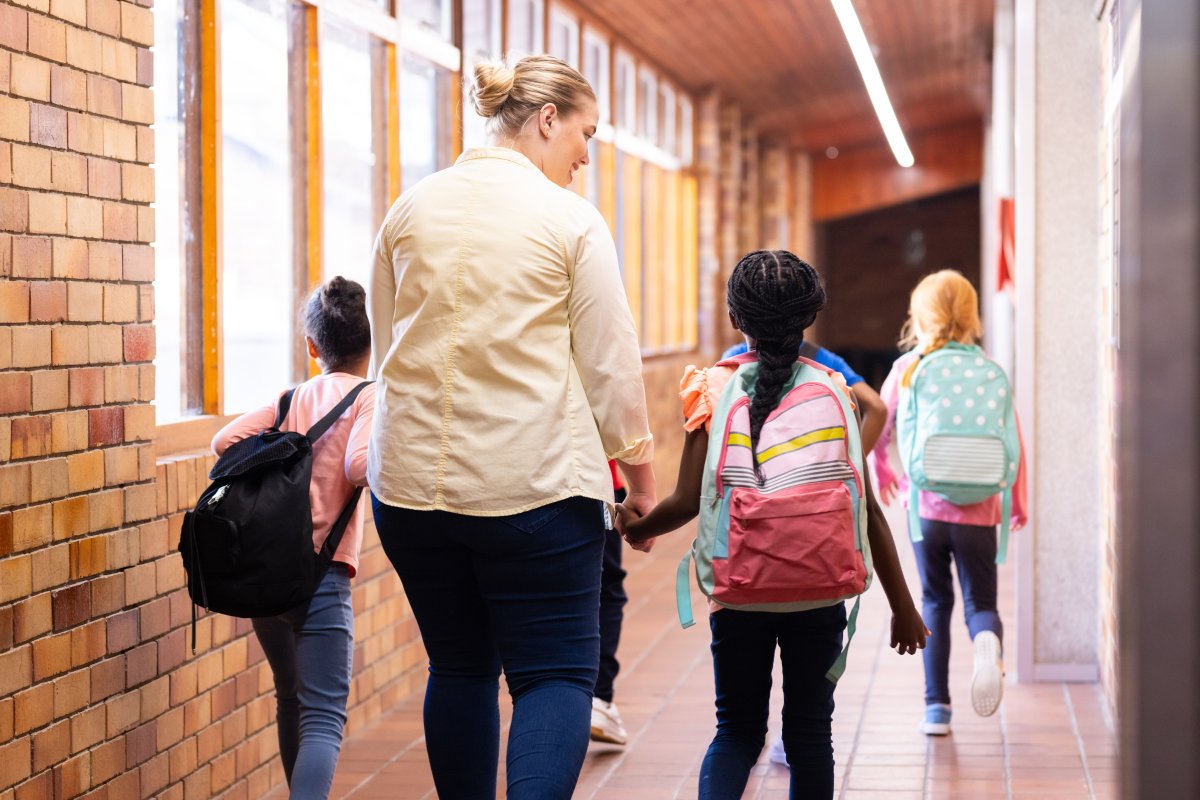
- Support young people to remain engaged in education, training, or alternative learning pathways
- Work closely with schools, teachers, guidance officers, and education support services
- Advocate for flexible learning options where needed (e.g. distance education, alternative schools, TAFE or trade pathways)
- Provide daily routines and structure that support school attendance and readiness
- Assist with homework, assignments, study skills, and exam preparation
- Support school enrolments, transitions, and re-engagement following absences or disruptions
- Promote positive relationships with peers and school staff
- Identify and address barriers to learning, including trauma, behavioural challenges, or learning difficulties
- Celebrate educational achievements and progress, no matter how big or small
- Encourage young people to build confidence, motivation, and a sense of purpose through learning
Developing Life Skills
- Support young people to build independence and confidence in everyday living
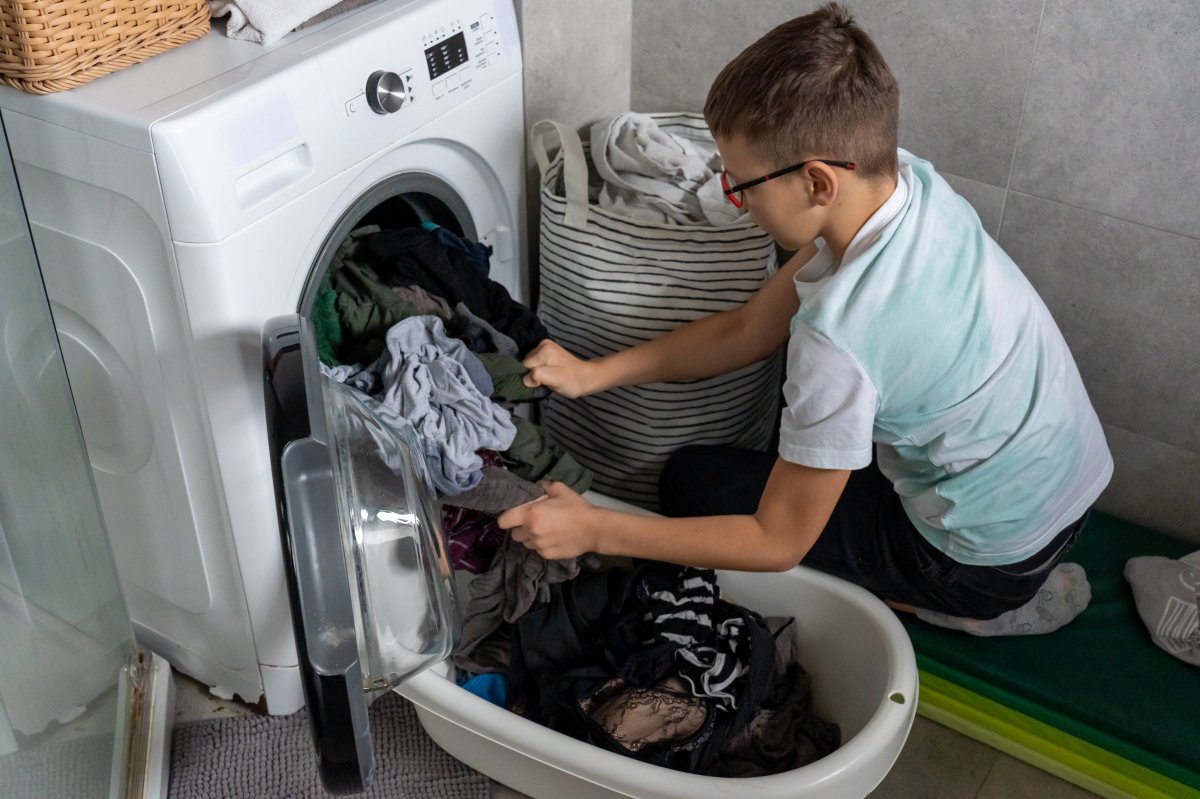
- Teach practical skills such as cooking, meal planning, budgeting, and grocery shopping
- Support time management, organisation, and responsibility for personal belongings
- Build skills in communication, decision-making, and problem-solving
- Encourage emotional regulation and coping strategies for managing stress and challenges
- Support young people to understand their rights, responsibilities, and boundaries
- Promote safe use of technology, social media, and online communication
- Build skills for independent living, including tenancy readiness and household responsibilities
- Empower young people to set goals and take pride in their achievements
Community & Recreational Participation
- Support young people to actively participate in their local community
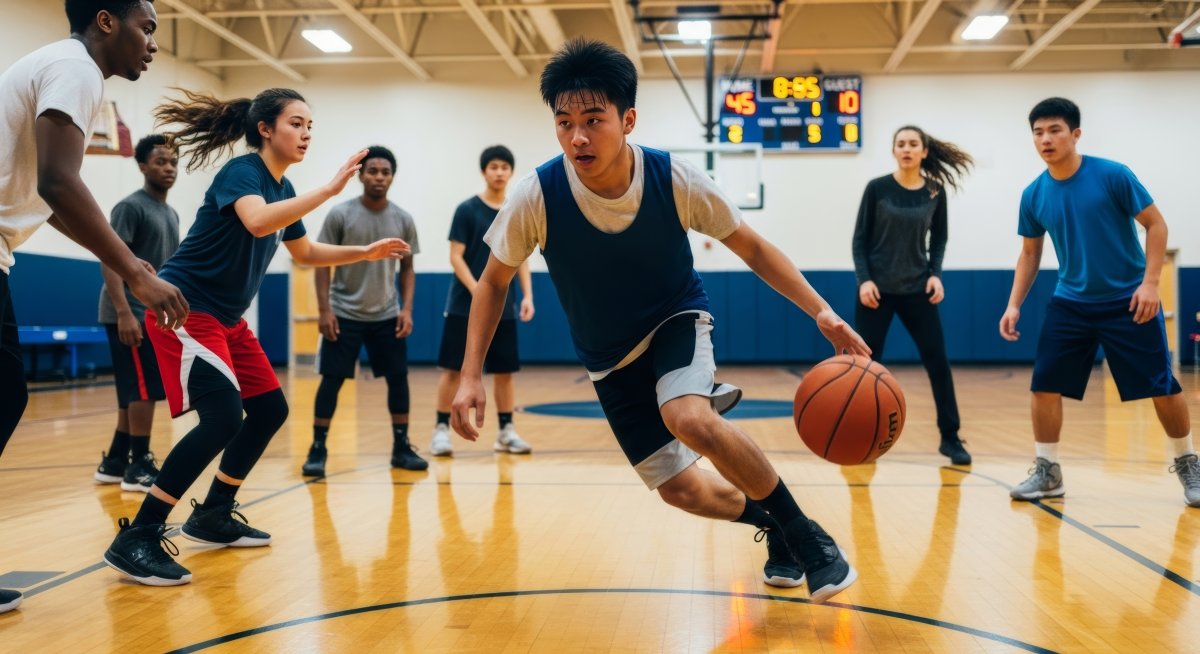
- Encourage involvement in sports, arts, cultural activities, and hobbies of interest
- Facilitate access to community groups, youth programs, and recreational facilities
- Support attendance at social, cultural, and community events
- Promote positive peer connections and healthy social relationships
- Build confidence in navigating public spaces and community settings
- Encourage teamwork, leadership, and a sense of belonging
- Support young people to explore new interests and discover their strengths
- Promote physical health, wellbeing, and enjoyment through active participation
- Celebrate achievements and milestones in community involvement
Healthy Routines & Positive Relationships
- Support young people to establish healthy daily routines that promote stability and wellbeing
- Encourage regular sleep patterns, balanced nutrition, and personal self-care
- Model and support positive, respectful relationships with peers and adults
- Create a safe, consistent, and nurturing home environment
- Support young people to develop trust, communication, and interpersonal skills
- Encourage healthy boundaries and respectful conflict resolution
- Promote emotional wellbeing and positive coping strategies
- Support connection with family, carers, and significant people where safe and appropriate
- Foster a sense of belonging, safety, and emotional security
- Recognise and celebrate progress in building healthy habits and relationships
Safe Place to Talk, Share & Be Heard
- Provide a safe, supportive, and non-judgemental environment where young people feel heard and respected
- Use trauma-informed approaches that recognise the impact of past experiences on behaviour and emotions
- Build trusting relationships through consistency, empathy, and genuine care
- Encourage young people to express their thoughts, feelings, and concerns at their own pace
- Actively listen and validate each young person’s experiences and perspectives
- Support emotional regulation and coping strategies in moments of distress
- Empower young people to have a voice in decisions that affect their lives
- Respect privacy, dignity, and confidentiality while ensuring safety
- Promote choice, control, and autonomy to rebuild confidence and self-worth
- Create culturally safe and inclusive spaces where every young person feels valued
Celebrate Cultural Identity & Individual Diversity
- Respect and celebrate each young person’s cultural background, identity, and lived experience
- Create culturally safe and inclusive environments where young people feel accepted and valued
- Support connection to culture, community, and identity where safe and appropriate
- Acknowledge and honour Aboriginal and Torres Strait Islander cultures and connections to Country
- Embrace diversity in culture, language, religion, gender identity, sexuality, and ability
- Support young people to express their identity in ways that feel safe and meaningful to them
- Work alongside families, Elders, community members, and cultural supports where appropriate
- Challenge discrimination and promote respect, inclusion, and understanding
- Recognise individual strengths, beliefs, and values as part of holistic care
- Empower young people to feel proud of who they are and where they come from
Let's take the next step together, how can we help?
1300 059 645